
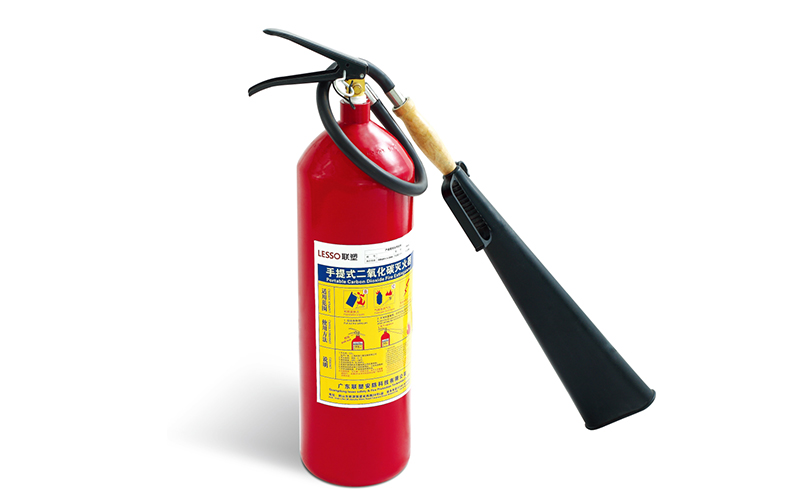
Using a CO2 extinguisher safely in confined spaces requires careful planning and awareness of how carbon dioxide behaves in restricted environments. Confined areas like storage rooms, engine compartments, utility closets, and small workspaces can present unique risks when a fire occurs. Knowing how to use a LESSO CO2 extinguisher correctly can help protect people and equipment while minimizing hazards related to gas discharge and visibility loss.
Understanding CO2 Extinguishers in Enclosed Areas
A CO2 extinguisher works by releasing carbon dioxide gas at high pressure to displace oxygen around a fire. Since oxygen is a key element that sustains combustion, reducing its presence helps suppress flames. Unlike water or dry chemical extinguishers, CO2 does not leave behind a residue and does not conduct electricity, which can be especially beneficial when dealing with electrical or flammable liquid fires in confined spaces.
However, in enclosed areas, carbon dioxide can accumulate quickly and reduce breathable air. Users must be aware that while the gas helps put out the fire, it can also pose risks to people inside the space if proper precautions are not taken.
Preparing for Safe Usage
Before using a CO2 extinguisher in a confined space, ensure that personnel are trained in its operation. Familiarization with the LESSO CO2 extinguisher includes understanding the placement of the discharge horn and how to approach the fire safely. It is important to maintain an exit route at all times and to avoid standing directly in front of the discharge nozzle, as the rapid release of CO2 can cause frostbite on contact.
Proper ventilation in the area is another important safety consideration. After discharging the extinguisher, allow fresh air to enter the space before re-entry. This helps disperse excess carbon dioxide and improves air quality for anyone returning to the area.
Responding to an Incident
In the event of a fire, activate the extinguisher from a safe distance and focus the discharge at the base of the flames. Move steadily toward the fire as it begins to diminish, taking care not to block your path to a clear exit. If the flames do not respond or the situation becomes unsafe, evacuate immediately and call emergency services.
Conclusion
Using a LESSO CO2 extinguisher in confined spaces can be effective when guidelines are followed carefully. Training, awareness of gas behavior, and proper ventilation help ensure that fire response efforts reduce risk to people and property. By respecting these safe usage practices, you promote a safer environment for everyone in enclosed work or storage areas.
