
Introduction: Setting a Safer, Smarter Baseline
Start with the core: a lift is a controlled exchange between force, distance, and time. At the center, the lifting robot relies on a robot lifting mechanism to raise and lower payloads in a predictable envelope. Picture a small warehouse at dawn: bins arrive in waves, aisles wake up, and operators expect steady flow. In a typical shift, one unit can cycle 60–120 lifts per hour and move hundreds of kilograms in total—quietly adding up to a lot of energy and wear. Yet the hard costs are only half the story (floor scuffs, battery drain, micro-stops). The soft costs—ergonomic stress, unplanned resets, creeping misalignment—hit output when it matters most. So here’s the question: if the numbers look “fine,” why do outages cluster around the same stations and times?
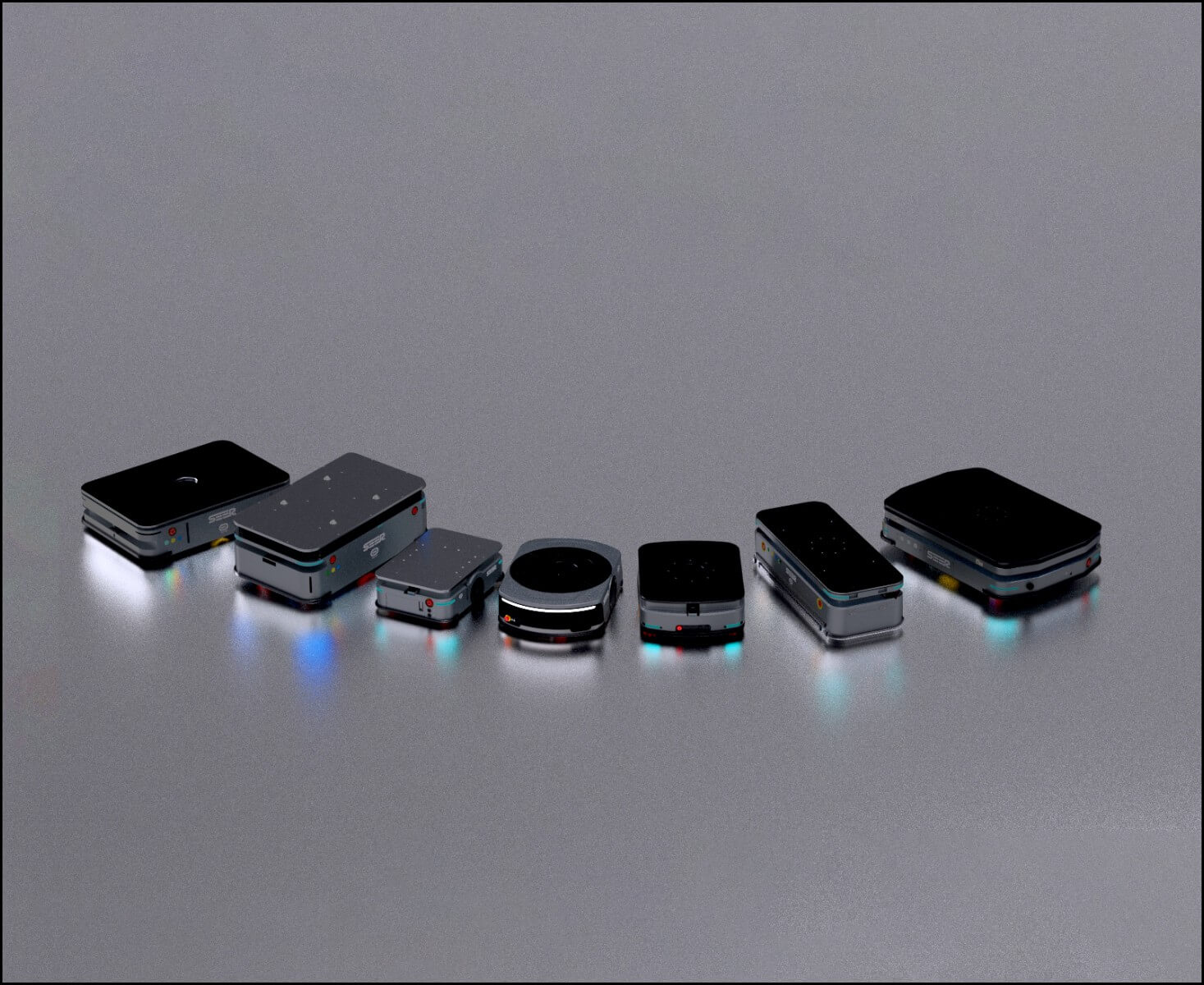
We’ll map how lift design choices ripple into safety, uptime, and energy. Then we’ll weigh the trade-offs—and how to tilt them forward.
The Deeper Problem: Legacy Lifts Hide Cost and Risk
Where do legacy designs fall short?
Most traditional lift stacks were built for a fixed load, not a living system. Gear reduction is set, torque sensors are absent, and duty cycle assumptions lag real use. That means the controller guesses at force rather than measuring it. When the motor doesn’t “feel” the payload, the PID tuning drifts from reality, backlash grows, and the carriage shudders near the top stop. Add a busy CAN bus and slow encoder polling, and you get late braking and heat in all the wrong places—funny how that works, right? Over weeks, that becomes micro-tilt, which becomes mis-picks, which becomes manual rework. Look, it’s simpler than you think: what you don’t measure, you can’t stabilize.
Power is the other quiet leak. Older power converters treat every lift as a one-way burn of battery. No regen on the way down, just heat. The actuator duty cycle creeps beyond the rated band, so thermal throttling triggers under peak demand (exactly when queues are longest). Legacy safety is also binary—hard stops, contact mats—rather than layered. Without a predictive force feedback loop and local edge computing nodes, the system reacts late to off-center loads or pallet warp. The outcome is not dramatic failure; it’s chronic friction: short pauses, sensor retries, and energy that never becomes useful work.

Forward Look: Principles That Change the Balance
What’s Next
Modern lift design changes the loop itself. Closed-loop force control combines torque sensors with high-resolution encoders, so the robot lifting mechanism knows load in real time and shapes current, not just speed. Edge computing nodes sit beside the actuator to run fast trajectories locally—millisecond decisions, fewer bus round-trips. Regenerative power converters turn downward motion into charge, trimming net consumption and heat. A fused LiDAR and inertial measurement unit tracks tilt and floor slope, so the carriage centers before it lifts. And the control stack talks over a deterministic channel, not a congested general CAN bus, for predictable stop distances. This is still simple physics—just measured and managed. Different on paper, calmer on the floor.
Comparatively, this approach reduces overshoot near endpoints and slices cycle variance more than any single mechanical upgrade. It also reframes safety: soft limits come first, hard stops last. The system anticipates off-axis loads, then derates gracefully, instead of slamming a relay. Operators notice fewer “almost-stops,” and maintenance sees data, not guesswork. Summing up the shift: fewer hot motors, steadier picks, and more usable minutes. Advisory close: when you evaluate options, check three metrics that reveal the truth. 1) Energy round-trip: measure watts up and watts recovered down, not just battery hours. 2) Control fidelity: look for force feedback bandwidth and end-stop settling time (under load). 3) Service clarity: require transparent logs—encoder drift, torque spikes, and fault codes readable without vendor tools. Keep it calm, keep it measurable—and choose what maintains throughput when the aisle gets messy. For a deeper dive into practical implementations and design trade-offs, see SEER Robotics.
