
Introduction: From Chaotic Rooms to Calm Screens
Here’s a familiar scene: a packed conference hall, sessions swapping rooms, and staff rushing to print new cards before the keynote. The second screen shows a digital name plate blinking to life—ayos, but just barely. In many venues, more than half of last-minute changes happen within an hour of start time, and manual updates still slip through (we’ve all been there). So, how do we reduce the scramble and make displays both steady and smart—without blowing the budget or the team’s time?
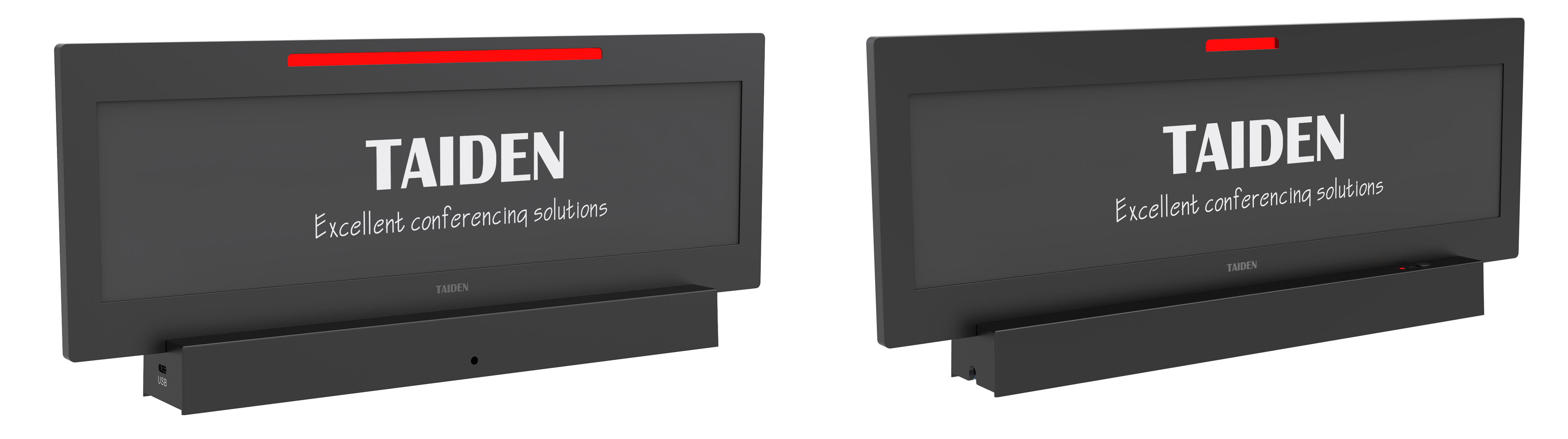
Let’s line up what’s working, what’s not, and what’s next.
Hidden Frictions Behind the Digital Signage Nameplate
In earlier coverage, we sketched the basics. Now, let’s go deeper into the pain points a digital signage nameplate often hides in plain sight. First, content refresh is not only about screens. It’s about syncing schedules, pushing updates over flaky Wi‑Fi, and handling identity data safely. When bandwidth dips, devices stall—funny how that works, right? Second, power and cabling constraints creep in. Older setups rely on uneven power converters or run past PoE budgets, so a row of nameplates dims at the exact moment you need brightness. Third, the update paths are clunky. Without clean firmware over‑the‑air (FOTA) flows, a simple role change becomes a full device reboot. And when a badge or table plate fails, staff revert to sticky notes. That’s the real cost: trust.
Look, it’s simpler than you think—but only if the stack is thought through. Edge computing nodes can buffer schedules, minimize server calls, and hand off cached content during a network hiccup. Small touches make a big impact: local time sync, role-based access for volunteers, and a graceful offline mode. Even accessibility matters. If font scaling or color contrast is locked down, the inclusion goal is lost before the session starts. And when the mounting or cabling is fussy, teams avoid reconfiguration, so rooms look “fixed” even when programs change. That’s friction. That’s why the spec sheet should include the boring bits: thermal design, cable strain relief, and an audit trail for edits—because accountability is a feature too.
Where does the drag come from?
Mostly from scattered workflows, weak power planning, and missing guardrails. Tighten those, and the experience feels effortless—sige, you’ll notice it.
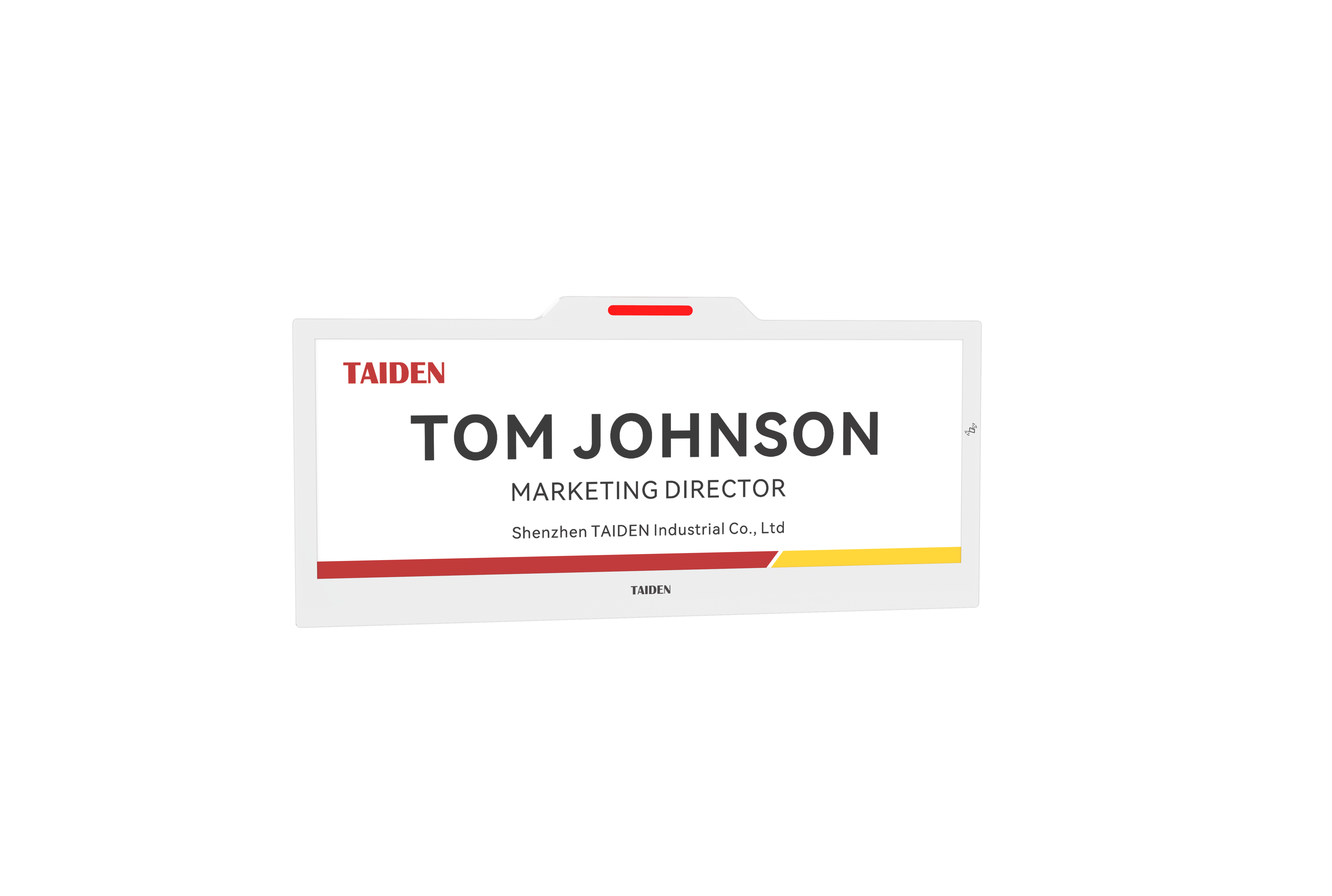
Comparative Futures: Principles That Win
Moving forward, the gap widens between plates that only display text and systems that orchestrate change. The principle is simple: smarter at the edge, lighter in the cloud. Devices that use event-driven refresh and adaptive duty cycles cut chatter on the network while keeping the interface fresh. Displays tuned for low power consumption—think e-paper or well-managed LCD backlights—stay readable all day without constant charging. Pair that with BLE for quick provisioning, and a secure mesh for handoff during peak traffic. Add one more ingredient: policy-aware scheduling. That’s a rules engine which auto-resolves conflicts (“Speaker late? Move slot. Auto-highlight backup. Keep the panel title.”). The result: fewer clicks, fewer surprises.
What’s Next
Expect two paths to stand out. First, modular hardware that separates screen, controller, and mount, so maintenance is surgical, not messy. Swap a face, not an entire unit. Second, unified software pipelines: content API, identity provider link, and FOTA in one pane. With these, engineering teams can tune backlight curves, power profiles, and refresh intervals to stretch battery life—without hurting readability. On the power side, right-sized power converters and PoE++ planning beat guesswork. And on reliability, watch for self-test logs streamed from edge devices; those logs help ops teams spot a weak port before it kills a row of seats—funny how that works, right?
Quick recap without the repeat: we named the hidden frictions (sync, power, trust), and contrasted them with design principles that shrink them (edge buffers, policy-based updates, and stable power). To choose well, use three practical checks. 1) Reliability metrics: target 99.9% content update success and verify offline behavior for 60 minutes minimum. 2) Lifecycle control: confirm secure FOTA, signed packages, and role-based edit trails with timestamps. 3) Power and placement: measure real draw at peak brightness, verify low power consumption at idle, and map PoE budgets per switch port with headroom. These aren’t “nice to have.” They’re what keep rooms calm and names correct. For teams comparing options in the field, a brand with a track record in conference systems helps the whole stack feel cohesive, like TAIDEN.
